LED Light Maintenance In Clinics is becoming a practical priority for safer care, clearer examinations, and controlled operating costs. Clinics depend on consistent illumination in treatment rooms, corridors, pharmacies, and reception areas. A flickering panel above an examination chair is not a minor inconvenience. It can affect visual assessment, staff comfort, and patient confidence.
The International Energy Agency reports that lighting represents about 15% of global electricity consumption. The U.S. Department of Energy also states that quality LED products can use up to 75% less energy and last much longer than incandescent lamps. However, long rated life does not mean zero maintenance. Dust can collect around diffusers, drivers can weaken, and color output may shift before a lamp stops working. Small defects can become expensive interruptions.
This 2026 guide focuses on practical maintenance habits for clinics. It covers inspection schedules, cleaning methods, flicker checks, emergency lighting tests, driver replacement, and maintenance records. CIE 249:2022, the Commission Internationale de l’Éclairage’s healthcare lighting guidance, highlights the importance of suitable light quality for clinical environments. That principle deserves attention during every inspection.
Look closely.
A clean ceiling does not guarantee reliable lighting. A maintenance log may also hide repeated failures if staff record only complete outages. My experience with facility routines suggests that clinics often react too late. Monthly visual checks, scheduled electrical inspections, and measured illuminance can reveal problems earlier. Still, no checklist is perfect. Room function, fixture age, ventilation, and clinical risk must shape the final maintenance decision.
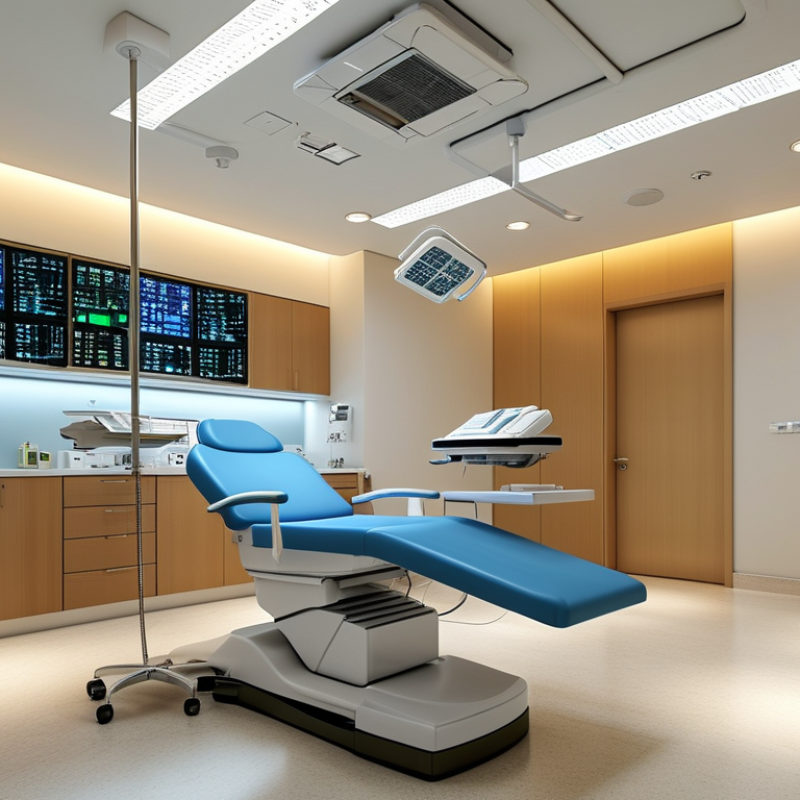
Clinical LED lighting systems support examinations, procedures, and patient movement. Their performance depends on more than brightness. Color accuracy, glare control, heat management, and stable output all affect clinical work. A cool white fixture may reveal skin changes clearly, but it can also create harsh reflections on metal instruments. Staff feedback matters here.
Inspect fixtures during scheduled room checks. Look for flickering, dark spots, yellowed diffusers, loose covers, and unusual heat near ceiling panels. Dust can collect around vents and reduce cooling. Use a soft, dry cloth unless the maintenance instructions allow approved cleaning agents. Never spray liquid directly onto a fixture. Small details matter.
Measure illumination in treatment areas with a calibrated light meter. Compare readings with the facility’s design requirements and applicable electrical standards. Check emergency lighting separately, because normal LED operation does not confirm backup performance. A qualified technician should inspect wiring, drivers, controls, and grounding. Keep records showing dates, readings, faults, and corrective actions.
LED systems often fail gradually. Staff may adapt to dimmer light without reporting it. That is a weakness in many maintenance routines. A monthly visual check is useful, but it cannot replace documented testing. Review complaints from clinicians, especially reports of eye strain or shadows over work surfaces. Replace damaged components promptly, and reassess the room after repairs.
2026 Top LED Light Maintenance Tips for Clinics
Establishing a Risk-Based LED Inspection Schedule
A clinic should inspect LED lighting according to risk, not habit. Operating rooms, treatment areas, and medication rooms need closer attention than storage spaces. Start with a simple risk rating. Consider patient vulnerability, procedure sensitivity, operating hours, and lighting failure consequences. Record brightness, flicker, heat, damaged covers, loose fittings, and unusual sounds. A qualified technician should assess electrical faults. Staff can report visible problems during daily room checks. Small defects can become serious interruptions.
Tips: Check critical treatment areas weekly. Inspect general consultation rooms monthly. Review low-risk spaces every quarter. Use a calibrated light meter when accuracy matters. Compare readings with the clinic’s documented lighting requirements. Clean lenses with approved materials, while following infection-control procedures. Never spray liquid directly onto a fitting. Keep inspection records with dates, findings, corrective actions, and responsible personnel.
Risk scores should change after renovations, equipment changes, or repeated failures. A lamp that survives routine checks may still create shadows during wound care. That detail is easy to miss. We should also question fixed schedules. They can become automatic and careless. Review the plan after incidents, complaints, or near misses. Emergency lighting deserves separate testing and documented escalation. Human observation remains useful, but it is not enough. Measurements reveal gradual light loss before patients or clinicians notice it.
Clean LED fixtures gently, especially in treatment rooms where dust and disinfectant residue collect quickly. I have found that a dry, lint-free cloth removes most surface dust without scratching lenses. Turn off the circuit and allow the fixture to cool before cleaning. Never spray liquid directly onto the housing. Apply a small amount to the cloth instead. Check seams, vents, and mounting points for residue or looseness. A forgotten vent can quietly raise operating temperatures.
Tips: Schedule light cleaning with routine room maintenance. Use approved cleaning solutions for the fixture material. Avoid abrasive pads, strong solvents, and excessive moisture. Do not clean above patients or equipment without securing the work area. A stable ladder matters.
Heat control requires more than touching the fixture and judging its temperature. Keep insulation, storage items, and ceiling coverings away from ventilation openings. Measure unusual heat with an infrared thermometer when available. Record room temperature, fixture location, and any flickering or color changes. These details help qualified maintenance staff identify airflow or wiring problems. Do not open electrical compartments unless trained and authorized.
Small mistakes happen. I once underestimated how much dust a high ceiling fixture could hold. That delay made the inspection harder.
Clinics should review maintenance records after each service visit and adjust cleaning intervals when rooms are dusty, humid, or heavily used. Replace damaged lenses, loose covers, or discolored wiring promptly through qualified professionals.
2026 Top LED Light Maintenance Tips for Clinics
Clinic LED maintenance begins at the connection point, not at the ceiling panel. During a scheduled visit, a qualified electrician should isolate power before opening any fixture. Loose terminals can create heat, flicker, or intermittent shutdowns. Look closely. Inspect cable insulation, junction boxes, grounding, and signs of discoloration. Record unusual warmth or buzzing, even when the light still works. Electrical panels and emergency circuits also deserve attention because a minor connection fault can affect patient areas.
Controls need practical testing, not just visual inspection. Check wall switches, dimmers, occupancy sensors, timers, and central control panels. Confirm that lights respond smoothly without sudden jumps or delayed starts. Clean sensor lenses carefully, then test detection from different angles. A control may work perfectly at noon but fail in a quiet examination room. Document settings before changing them. I have seen well-meaning adjustments create darker corridors and confused staff. That mistake is avoidable.
Light quality should be checked beside real clinical tasks. Measure illuminance at examination surfaces, not only on the floor. Watch for glare on screens, uneven brightness, color shifts, and visible flicker. Compare color rendering across treatment rooms, corridors, and reception areas. A high color-rendering value does not remove every problem. I once focused on brightness and overlooked reflected glare from a monitor. That was a useful reminder: comfortable light requires observation, measurement, and staff feedback. Keep maintenance records with dates, readings, defects, and corrective actions.
Suggested annual maintenance frequency for electrical connections, lighting controls, and light-quality checks.
A practical baseline is to inspect electrical connections and light quality quarterly, test occupancy and dimming controls monthly, and clean LED fixtures twice a year. Always follow local electrical codes, the fixture manufacturer’s instructions, and the clinic’s risk-assessment schedule.
Reliable clinic lighting depends on evidence, not memory. The U.S. Department of Energy reports that LED lighting can use at least 75% less energy and last up to 25 times longer than incandescent lighting (DOE, Energy Saver). Longer life does not mean maintenance-free. Dust, heat, loose connections, and aging drivers can still affect illumination and safety.
Assign every fixture a clear identification number. Record its location, installation date, operating hours, and last cleaning. During each inspection, note flickering, color changes, cracked lenses, unusual heat, and visible wiring damage. Measure illumination in treatment rooms and corridors with a calibrated meter. Keep the reading, instrument ID, technician, and corrective action together. Small details matter.
Check emergency lighting separately. NFPA 101 commonly requires monthly functional testing and an annual duration test, subject to the adopted local edition. Record test dates, battery condition, duration, failures, and repair clearance. A missing signature can weaken an otherwise sound compliance record.
Our logs are not always perfect. That is a reason to review them quarterly, not hide the gaps. Store photographs before and after repairs when access panels or ceiling fixtures are involved. Review recurring failures for heat, moisture, or incompatible controls. A repair that only resets the symptom may deserve another inspection.
(Sources: U.S. Department of Energy, Energy Saver; NFPA 101, Life Safety Code.)
Turn off the circuit and let the fixture cool completely. Use a dry, lint-free cloth for surface dust. Apply approved cleaner to the cloth, never directly to the housing.
Inspect seams, vents, mounting points, and lens edges. Dust can hide inside a high ceiling fixture. Forgotten vents may quietly increase operating temperatures.
Avoid abrasive pads, strong solvents, and excessive moisture. These can scratch lenses or damage housings. Check the fixture material before choosing a solution.
Keep insulation, stored items, and ceiling coverings away from ventilation openings. Use an infrared thermometer when unusual heat appears. Do not judge temperature by touch alone.
Record flickering, color changes, cracked lenses, loose covers, and unusual heat. Discolored wiring needs prompt professional attention. Small signs can become expensive problems.
Assign each fixture an identification number. Record its location, installation date, operating hours, cleaning date, and inspection findings. Keep readings, instrument details, technicians, and corrective actions together.
Measure treatment rooms and corridors with a calibrated light meter. Record the reading and instrument identification. A number without context is less useful.
Follow the adopted local requirements. Record functional tests, duration tests, battery condition, failures, and repair clearance. Keep dates and signatures visible. Missing signatures happen.
Review intervals after each service visit. Shorten them in dusty, humid, or heavily used rooms. Our schedule may be wrong. Review it honestly.
Use qualified professionals for wiring damage, electrical compartments, loose covers, damaged lenses, or recurring failures. Do not open electrical compartments without proper training and authorization.
LED Light Maintenance In Clinics is essential for maintaining safe, reliable, and consistent illumination in treatment rooms, examination areas, laboratories, and administrative spaces. A practical maintenance program should begin with an understanding of the lighting system, including fixtures, drivers, controls, sensors, and emergency lighting functions. Clinics can then create a risk-based inspection schedule that gives priority to critical areas and identifies issues such as flickering, dimming, discoloration, unusual noise, or overheating before they affect patient care.
Routine cleaning should remove dust and residue without damaging lenses or electrical components, while adequate ventilation helps control heat. Staff should also check wiring, connectors, switches, dimmers, and control systems for loose connections or irregular performance. Light quality should be reviewed for brightness, color consistency, glare, and visual comfort. Finally, every inspection, repair, replacement, and compliance check should be documented clearly, creating a useful maintenance history and supporting safer, more efficient clinic operations.

TRV Medical