China Best Implant Motor for Improving Performance

Time:2026-09-25 Author:Sienna
0%

China’s best implant motor is not simply the unit with the highest speed or the brightest display. It is the one that delivers steady torque, clear feedback, and dependable control during demanding clinical work. In a procedure, small details matter: a readable screen, responsive foot control, and stable irrigation can help clinicians maintain a consistent workflow. The right choice depends on the procedure, the team’s habits, and the support available after purchase.

Improving Implant Motor Performance starts with matching motor capability to clinical needs. Consider speed and torque ranges, handpiece compatibility, noise, heat management, and how easily staff can set operating parameters. Reliable maintenance guidance matters, too. A strong specification sheet cannot replace practical testing. Ask how the unit responds under load, whether settings remain consistent, and how quickly service teams can resolve faults. These checks make comparisons more useful than broad claims about power.

Implantology expert Dr. Hom-Lay Wang is known for clinical and educational work in implant dentistry. The following is an editorial paraphrase of a general clinical principle, not a verified verbatim quotation: “Consistent outcomes depend on careful planning, controlled technique, and suitable equipment.” That principle also informs motor selection. Still, no device guarantees a successful result, and published specifications may not reflect every operating condition. Clinicians should assess equipment within their own protocols and consult the manufacturer’s instructions. Even a polished product can disappoint if its controls feel awkward or its service support is slow. Performance deserves practical scrutiny.
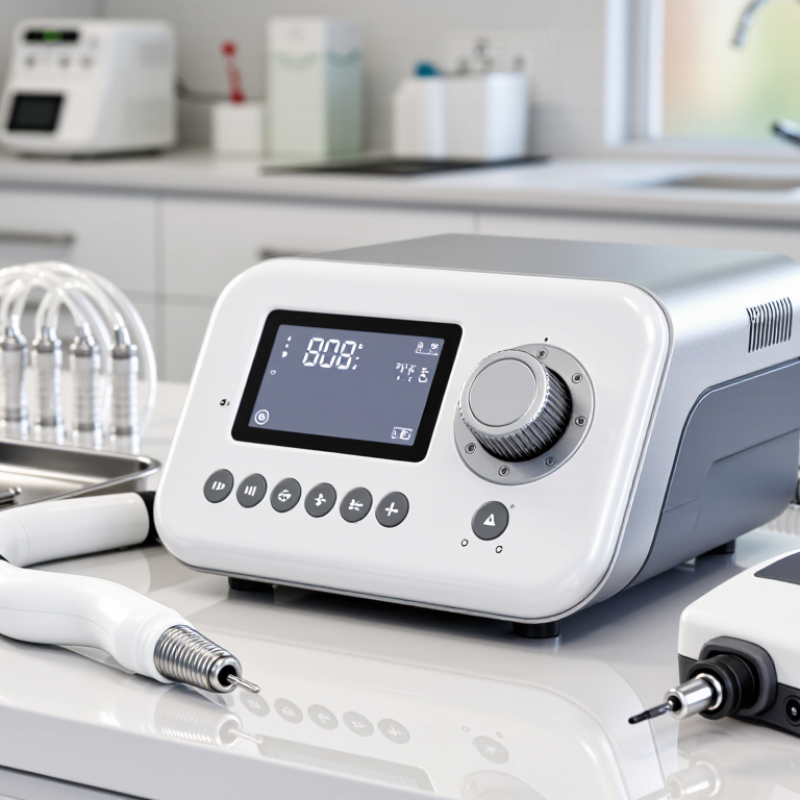
China Best Implant Motor for Improving Performance

What an Implant Motor Is and Its Role in Implant Dentistry

An implant motor is a controlled electric device used during dental implant surgery. It powers a handpiece and helps the clinician prepare the site in the jawbone. The system may display rotational speed and torque, while a foot pedal lets the clinician control operation without reaching away from the treatment area. These controls support steady, measured work, but they do not replace clinical judgment.

Implant dentistry requires careful handling of bone and attention to the planned implant position. A suitable motor can provide consistent rotation and help the clinician manage the drilling sequence. Irrigation is also important: sterile fluid helps cool the site and clear debris. The exact settings and instruments depend on the procedure, the patient, and the equipment instructions. A digital display can look reassuring, but it cannot tell whether the bone is responding as expected. That part still depends on training and observation.

Tips: Before treatment, check the handpiece connection, irrigation flow, and pedal response. Keep the control panel visible, and follow the equipment instructions and clinical protocol. If a setting or sound seems unusual, pause and assess rather than relying on habit. Small checks matter. Even experienced teams can overlook a simple connection, so a consistent setup routine is worth keeping.

Core Components and Operating Principles of Implant Motors

An implant motor converts electrical power into controlled rotation. Its main parts are the power unit, motor, handpiece connection, foot pedal, and irrigation pump. Inside a brushless motor, electronic switching energizes coils in sequence, turning the rotor without brushes rubbing against it. A reduction gear can trade speed for torque. This matters when a drill meets dense cortical bone. The display shows a target, not a guarantee.

The control unit regulates speed and torque, while the pedal lets the clinician start or adjust rotation without reaching away from the field. Irrigation carries heat and bone debris from the osteotomy; it is not an optional extra. Eriksson and Albrektsson’s 1983 bone-healing study found that 47°C sustained for one minute caused injury in a rabbit model. That result is not a universal clinical cutoff, but it explains why temperature control matters.

ISO 14457:2017 sets safety and performance requirements for dental handpieces, including motor-driven types. Operators should still verify actual settings and irrigation flow.

A small oversight matters. I have to admit, a clear display can create false confidence when the handpiece, gear ratio, or drill load differs from the expected setup.

Key Performance Criteria for Comparing Implant Motors

A reliable implant motor should deliver stable torque and precise speed under changing load. Compare its available speed range with the procedures your team performs, rather than relying on a high maximum value alone. Check how clearly the display shows speed, torque, and direction while the operator works. A motor that is technically capable but awkward to adjust may slow the procedure. Small details matter. Foot-pedal response, cable length, and handpiece balance can affect control during long sessions.

Review irrigation control, handpiece compatibility, and the steps required for cleaning and maintenance. Irrigation should be easy to set and monitor, since consistent cooling is important during drilling. Confirm that components can be processed according to their documented instructions. Ask for technical specifications and service information, not just a list of features. A quiet motor is not automatically a better one, and a broad speed range may be unnecessary for some practices. Comparisons can also miss real-world usability; a short demonstration may reveal controls that are difficult to reach with gloves on. That is worth checking.

How Chinese Implant Motors Support Clinical Efficiency and Precision

Chinese implant motors can support clinical efficiency when they combine stable speed control, adjustable torque, and clear operating feedback. During placement, a clinician may need to change settings between drilling steps. A responsive control panel can make those adjustments easier without distracting from the surgical field.

Small details matter. A readable display, foot pedal with predictable response, and handpiece that feels balanced can reduce unnecessary pauses. Some systems also store procedure settings, which may help a team prepare consistently. These features do not guarantee better outcomes, but they can make a carefully planned workflow smoother. Keep the settings matched to the procedure.

Precision depends on more than the motor. Bone quality, site preparation, instrument condition, and the clinician’s technique all influence how the device performs. Regular inspection and calibration matter, too. Even a well-designed unit can feel inconsistent if its components are worn or settings are poorly selected. That part is easy to overlook.

When evaluating a Chinese implant motor, clinicians can review its operating range, torque control, maintenance guidance, and compatibility with their existing instruments. Clear instructions and accessible technical support are practical advantages. A quiet motor is useful, but predictable performance is more important. No device removes clinical judgment.

How Implant Motors Support Clinical Efficiency and Precision

Typical protocol speed ranges for two implant-surgery steps. Actual settings vary by implant system, instrument, and clinical conditions; always follow the manufacturer’s instructions for use.

Illustrative ranges: drilling, 800–1,200 rpm; implant placement, 15–50 rpm. Controlled speed and torque settings can help clinicians follow a consistent workflow, but these ranges do not represent comparative clinical outcomes or a guarantee of precision.

Selection, Maintenance, and Safe Use of an Implant Motor

Choosing an implant motor starts with the procedure, not the display. Confirm its speed and torque ranges suit the planned drilling and implant workflow. Check that the handpiece, irrigation setup, foot control, and sterile accessories fit the clinic’s protocols. Clear controls matter. A readable screen and predictable pedal response help the operator stay focused on the surgical site. Ask about calibration, service access, and replacement parts before purchase. A low price can become costly when maintenance support is difficult to obtain.

Before each case, inspect cables, connectors, handpiece condition, and irrigation flow. Verify settings against the surgical plan and the motor’s instructions; do not rely on remembered values. Use validated cleaning and sterilization methods for components designated as reusable. Keep the motor unit dry unless its instructions specify otherwise. Small checks matter. After use, clean promptly, document faults, and arrange service if speed, torque, or sound seems abnormal. Do not guess. Motor settings do not replace clinical judgment or appropriate training. A checklist may feel repetitive, and rushed teams can still miss a step; review the process periodically and train every operator.

FAQS

What features can help an implant motor support a smoother workflow?

Stable speed control, adjustable torque, and clear feedback can reduce pauses. A readable display helps.

Why does foot pedal response matter?

Predictable pedal response lets the operator adjust settings while focusing on the surgical site. Small details matter.

Does a precise motor guarantee better clinical outcomes?

No. Bone quality, site preparation, instrument condition, and clinical technique also affect performance.

What should a clinic check before choosing an implant motor?

Review speed and torque ranges, instrument compatibility, maintenance guidance, calibration, and service access. Check replacement-part availability, too.

What should the team inspect before each case?

Check cables, connectors, handpiece condition, and irrigation flow. Verify settings against the plan and device instructions.

How should reusable components be cleaned?

Use validated cleaning and sterilization methods for components identified as reusable. Keep the motor unit dry unless instructions say otherwise.

What should staff do if the motor sounds or performs differently?

Document the fault and arrange service if speed, torque, or sound seems abnormal. Do not guess.

Can stored settings replace training or clinical judgment?

No. Stored settings may support consistent preparation, but they do not replace training or judgment. Checklists help, though rushed teams can still miss steps.

Conclusion

This article explains the role of an implant motor in implant dentistry, where controlled rotation and torque help clinicians prepare implant sites with accuracy. It introduces the motor’s main components, such as the control unit, handpiece, foot control, and irrigation system, and describes how they work together to support steady operation. It also outlines the performance criteria used to compare implant motors, including torque control, speed range, stability, ease of adjustment, and dependable cooling.

The article discusses how Chinese implant motors can support clinical efficiency and precision through practical operating features and consistent performance. It also offers guidance on selecting a motor suited to clinical needs, maintaining it according to its instructions, and using it safely. By bringing together these considerations, the article presents key factors for Improving Implant Motor Performance and helping dental professionals make informed decisions about equipment use and care.

Sienna

Sienna

Sienna is a skilled marketing professional with a deep expertise in our company’s core products and services. With a passion for innovation and detail, she plays a pivotal role in crafting insightful blog posts that not only highlight the unique features of our offerings but also provide valuable......