Selecting the right polishing kit for dental clinics is crucial. The right tools can enhance the quality of dental services. A well-chosen polishing kit can significantly impact patient satisfaction and treatment results.
Understanding the needs of your clinic is vital. Different procedures may require various types of polishers and materials. The market offers a wide range of options. This variety can be overwhelming. Therefore, careful consideration is essential in the Polishing Kit Selection for Dental Clinics.
Not all kits are created equal. Some may lack durability or effectiveness. Clinics should aim for products that offer consistent performance. Doing so helps maintain high standards in dental care. Researching and comparing products can help clinics avoid poor choices. Reflecting on past purchases can reveal valuable insights. Ultimately, the goal is to enhance patient care while ensuring clinic efficiency.
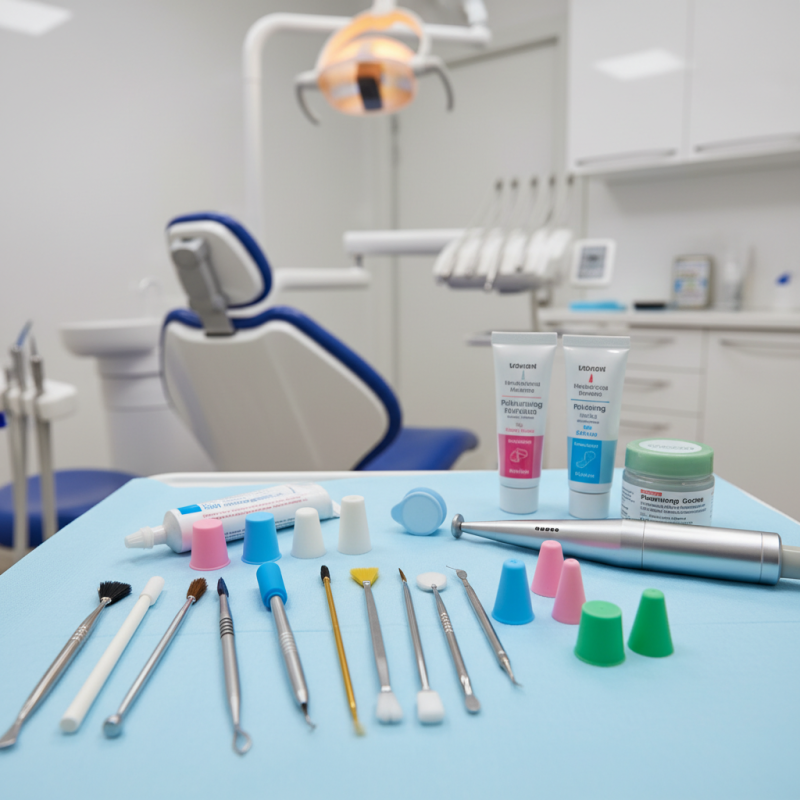
When selecting a polishing kit for dental clinics, the right choices can significantly affect patient outcomes. An effective polishing kit should enhance plaque removal while being safe for enamel. Consider the materials and grit levels of the polishing agents. Too coarse a grit may damage tooth surfaces. Conversely, overly fine grit may not provide adequate polishing. A happy medium is essential.
Evaluating the ergonomics of the polishing tools is vital as well. Tools should fit comfortably in the clinician’s hand. This can reduce fatigue during lengthy procedures. Pay attention to the weight and balance of the tools. Observing ease of use promotes efficiency. A kit with a variety of attachments can also be helpful. Different patients have unique needs. It's worthwhile to reflect on how your current tools perform. Are there areas for improvement? Patient feedback can guide your selections, ensuring optimal results for every individual.
When selecting dental polishing products, understanding the various types is crucial. Dental clinics often use rubber cups, brushes, and polishing paste. Each has unique benefits.
Rubber cups are popular for their versatility and efficiency. They can effectively remove plaque and stains. Brushes are great for reaching difficult areas, though they may require extra care to avoid damaging enamel.
Polishing pastes come in different grits. Fine grits are suitable for a smooth finish, while coarser grits can address significant stains. However, using the wrong grit may harm the tooth surface. It’s essential to consider the specific needs of each patient. Not all products suit every individual.
Training staff on product use is equally important. Knowledge about different techniques can enhance outcomes. Clinics should often reflect on their practices to improve. They might find that some products yield better results than others. Regular reviews of polishing techniques can lead to better patient satisfaction and outcomes.
When evaluating polishing kits for dental clinics, the safety of abrasives is critical. Clinicians must consider the materials used in these kits. Not all abrasives are created equal; some can cause enamel damage or irritation to the gums. Choosing the right abrasive is essential for effective dental care. The texture and grit level of the abrasives directly impact their performance. Fine abrasives may be less damaging but could require more time for effective polishing.
Efficacy is another key factor. Assessing how efficiently an abrasive removes stains and residues is vital. Observing patient feedback can provide insights into an abrasive's effectiveness. Additionally, practitioners should reflect on their own experiences with various products. Some abrasives may excel in specific situations but fall short elsewhere. This inconsistency can lead to further questioning of performance and patient satisfaction.
Regularly reviewing the results and adapting practices can enhance both patient care and professional development.
Polishing kits play a vital role in dental clinics. They help reduce plaque and calculus formation effectively. Regular polishing removes surface stains and biofilm. This process makes teeth smoother and less prone to bacterial attachment. A well-maintained surface can be a significant factor in long-term oral health.
Dental professionals must understand the importance of choosing the right polishing kit. The materials and abrasiveness of polishing agents can vary widely. Not all polishing pastes are suitable for every patient. Some may even cause irritation or damage to sensitive enamel.
Training in polishing techniques is essential for effective results. Practice can help enhance skills, but over-polishing can lead to harm.
It is crucial to evaluate patient needs thoroughly. Individual oral hygiene habits can affect the outcome of polishing treatments. Monitoring patients after polishing can reveal areas needing improvement.
Realigning techniques based on feedback ensures better results. Each dental clinic should develop a polishing protocol that reflects its patient demographic to achieve optimal oral health outcomes.
Choosing the right polishing kit for a dental clinic can greatly impact both patient satisfaction and practice efficiency. Conducting a cost-effectiveness analysis is essential when evaluating different options. The initial price of a polishing kit may not reflect its long-term value. Factors like durability, performance, and versatility should also be considered.
When analyzing costs, keep in mind the clinical outcomes. A less expensive kit might lead to more frequent replacements or less effective polishing. Over time, this could result in higher overall costs. It's worth comparing the longevity of various kits to assess their true value.
In terms of selection tips, prioritize kits that offer quality accessories and easy maintenance. Look for options with a proven track record in professional settings. Gathering feedback from other practitioners can provide insights into the performance and reliability of different kits. Frequent evaluation and adjustment of your choices are necessary as both technology and practice needs evolve.
: Consider materials and grit levels. A balance between coarse and fine grit is essential.
Ergonomics help reduce clinician fatigue. Comfortable tools improve efficiency during long procedures.
Each patient has unique needs. A variety of attachments in a kit address different requirements.
Feedback provides insights into the effectiveness of tools. It helps identify areas for improvement.
Unsafe abrasives can damage enamel or irritate gums. Choosing safe materials is crucial for effective care.
Efficacy affects how well stains are removed. Observing performance helps ensure patient satisfaction.
Yes, some tools work better in certain situations. This inconsistency requires ongoing reflection and evaluation.
Effective kits enhance plaque removal and overall dental health. Quality choices can improve patient satisfaction.
No single kit meets every need. Continuous improvement and adaptability are essential for optimal care.
When it comes to Polishing Kit Selection for Dental Clinics, understanding the specific needs of your practice is crucial. This involves choosing the right polishing kit that not only enhances patient outcomes but also aligns with the various types of dental polishing products available and their intended uses. Evaluating the safety and efficacy of different abrasives is vital, as this ensures the well-being of patients while effectively managing plaque and calculus formation.
Furthermore, a cost-effectiveness analysis is essential for dental practices to make informed decisions about their polishing kits. By considering the long-term benefits of investing in high-quality polishing kits, clinics can improve their service offerings while also maintaining a focus on the financial viability of their operations. Ultimately, judicious selection can lead to better patient care and improved operational efficiency in dental practices.

TRV Medical