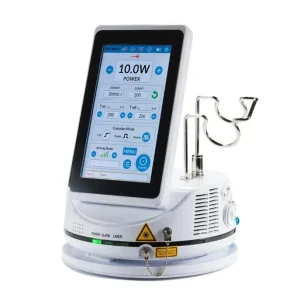
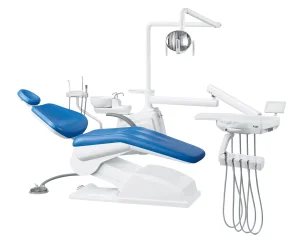
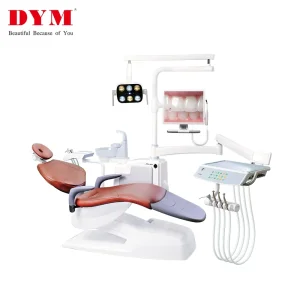
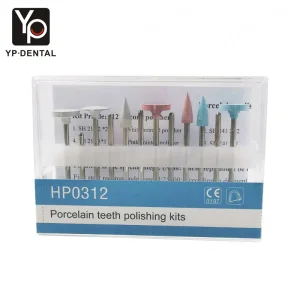
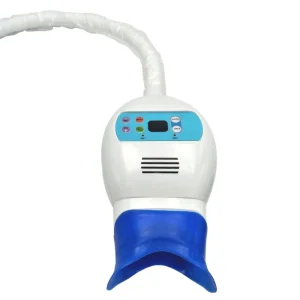
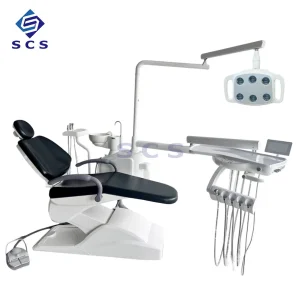
Highly engineered clinical tools and apparatus integrated to support advanced tissue reconstruction, site preparation, and laser-assisted bio-regeneration workflows.
Understanding the biological and mechanical prerequisites of bone-graft substitute structures and barrier membranes in modern reconstructive oral surgery.
Successful alveolar ridge reconstruction and guided tissue healing depend heavily on maintaining a stable biological space. The clinical application of Guided Bone Regeneration (GBR) requires biomaterials that prevent epithelial and connective tissue cell migration into the osseous defect, allowing slow-growing osteogenic cells to repopulate the area. This cellular exclusion is achieved via resorbable collagen membranes or non-resorbable PTFE barrier sheets.
Our tissue regeneration solutions are structured around high-purity natural type I/III collagen matrices and synthetic bone replacement grafts. These biomaterials possess optimized porosity configurations that assist in angiogenesis—facilitating vascularization while maintaining structural integrity over the critical 4 to 6-month osteoclastic and osteoblastic remodeling window.
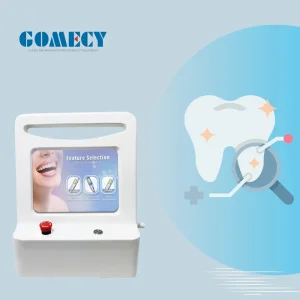
To maximize the success rate of regenerative products, the surgical site must be thoroughly decontaminated and prepared. The utilization of advanced Dental Diode Lasers (450nm, 650nm, 980nm) before graft placement provides efficient soft tissue incision, coagulation, and highly effective pocket decontamination. The 450nm wavelength delivers high-precision ablation, while the 980nm wavelength provides deep photothermal debridement, targeting bacterial pathogens like P. gingivalis.
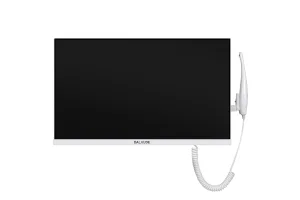
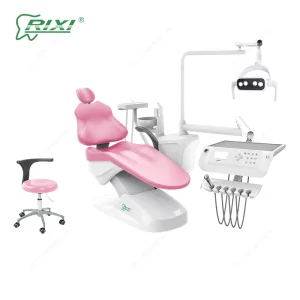
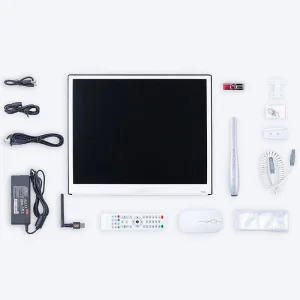
Additionally, executing precision bone grafting procedures requires superior visual clarity and ergonomic stability. Integrated computer-type intraoral cameras enable high-resolution diagnostic imaging, while modern medical dental chairs ensure stable patient positioning during lengthy micro-surgical procedures.
From inert scaffolding matrices to active bio-inductive systems: TRV Medical's development pipeline for next-generation bone reconstruction.
Optimized synthetic ceramics combining Hydroxyapatite (HA) for structural stability and Beta-Tricalcium Phosphate (β-TCP) for physiological resorption. These mimic natural bone mineral dynamics and ensure controlled degradation matching the patient's osteogenesis profile.
Incorporation of recombinant human Bone Morphogenetic Proteins (rhBMP-2) and platelet-rich fibrin (PRF) carrier systems. This shift from osteoconductive pathways to true osteoinductive stimulation triggers localized stem cell differentiation.
Customized digital modeling matching intraoral cone-beam computed tomography (CBCT) data. Advanced polymer extrusion printing generates personalized resorbable scaffolds, drastically reducing chairside adaptation time.
Systematic clinical configurations tailored to specific pathology profiles and large-scale healthcare procurement standards.
Following tooth extraction, bone resorption occurs rapidly. Utilizing our high-density bone replacement grafts alongside a collagen barrier membrane minimizes vertical and horizontal bone loss. This provides a stable bone volume for subsequent dental implant placement, preventing complex secondary sinus lifts or block graft procedures.
Treating deep infrabony defects and furcation involvements via Guided Tissue Regeneration (GTR). The membrane acts as a physical barrier separating gingival connective tissue from the root surface, allowing periodontal ligament cells and osteoblasts to reconstruct the attachment apparatus, preserving the natural dentition.
A legacy of dental innovation, manufacturing integrity, and supply chain resilience based in Foshan, China.
Guangzhou TRV Medical Instrument Co., Ltd. is located in the famous dental industry city of Foshan, focusing on the design, manufacturing and sales of dental products, with a history of more than 17 years.
Driven by the marketing construction of the network platform, relying on the product development of its own factories, and taking the resource integration of the supply chain as an advantage, TRV Medical is committed to developing into a high-quality supplier of the global oral health industry.
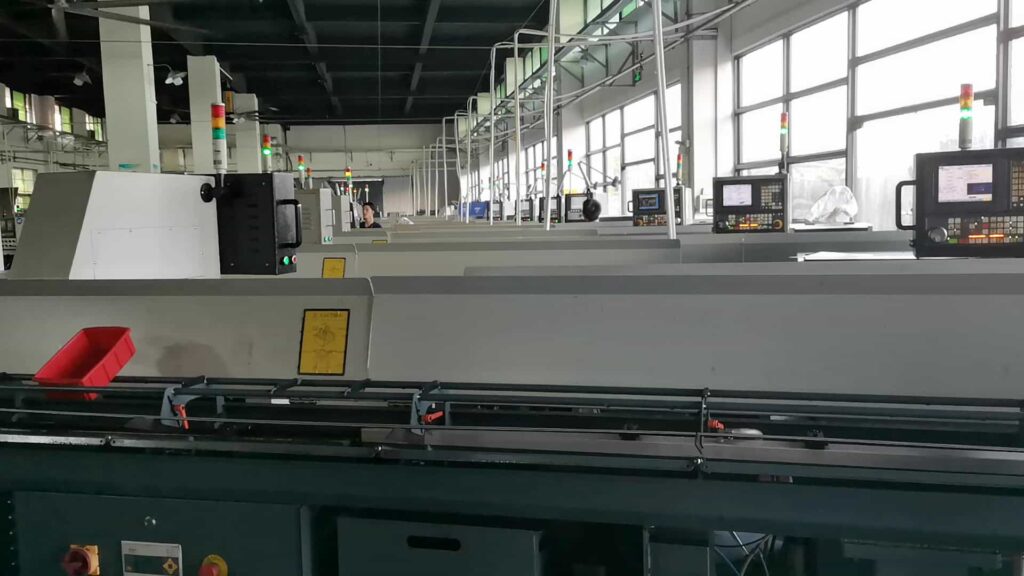
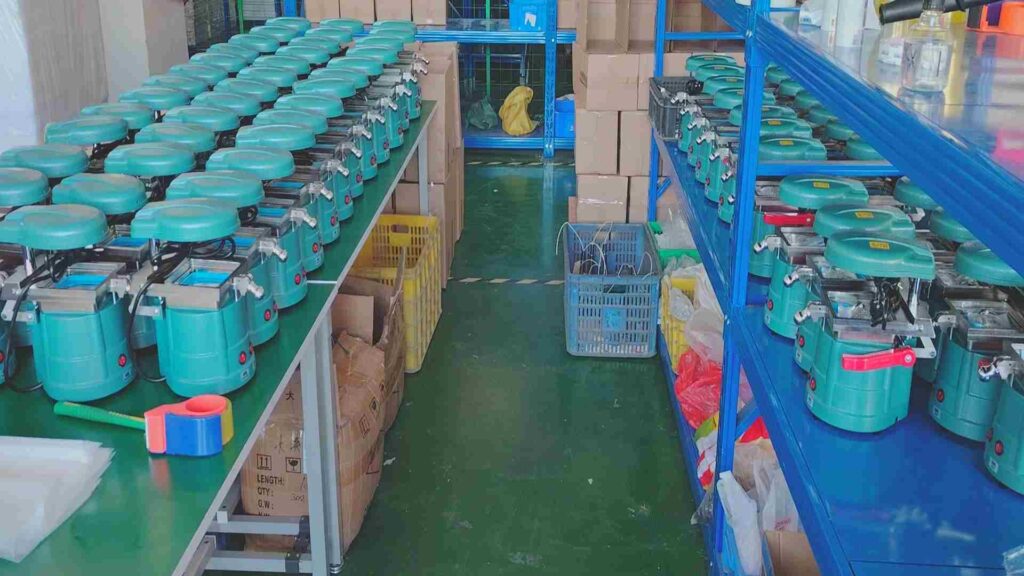
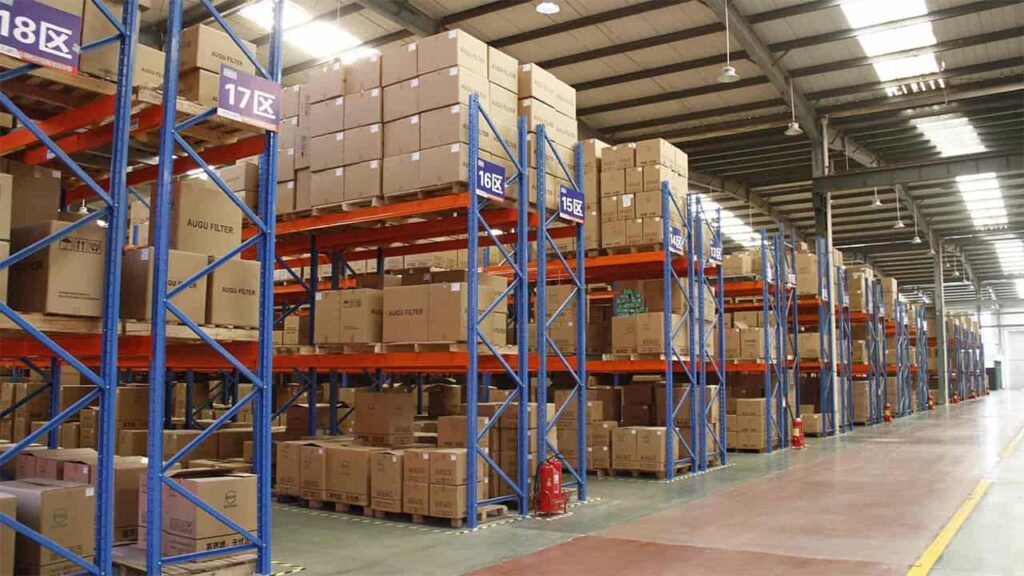
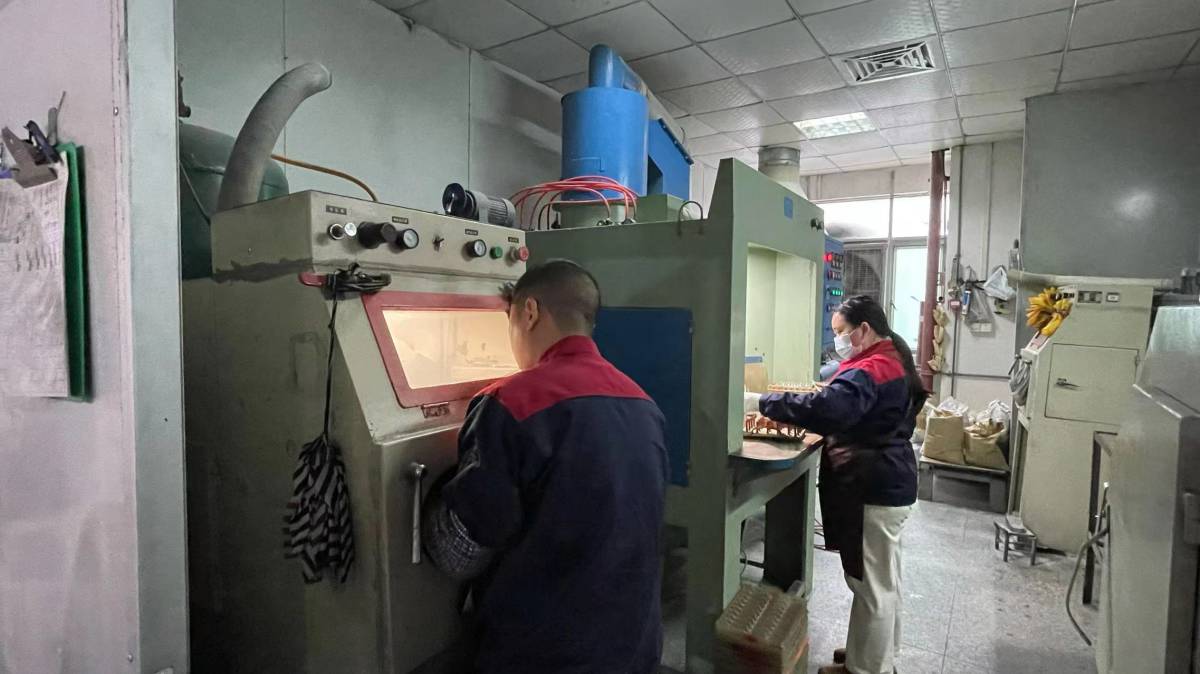
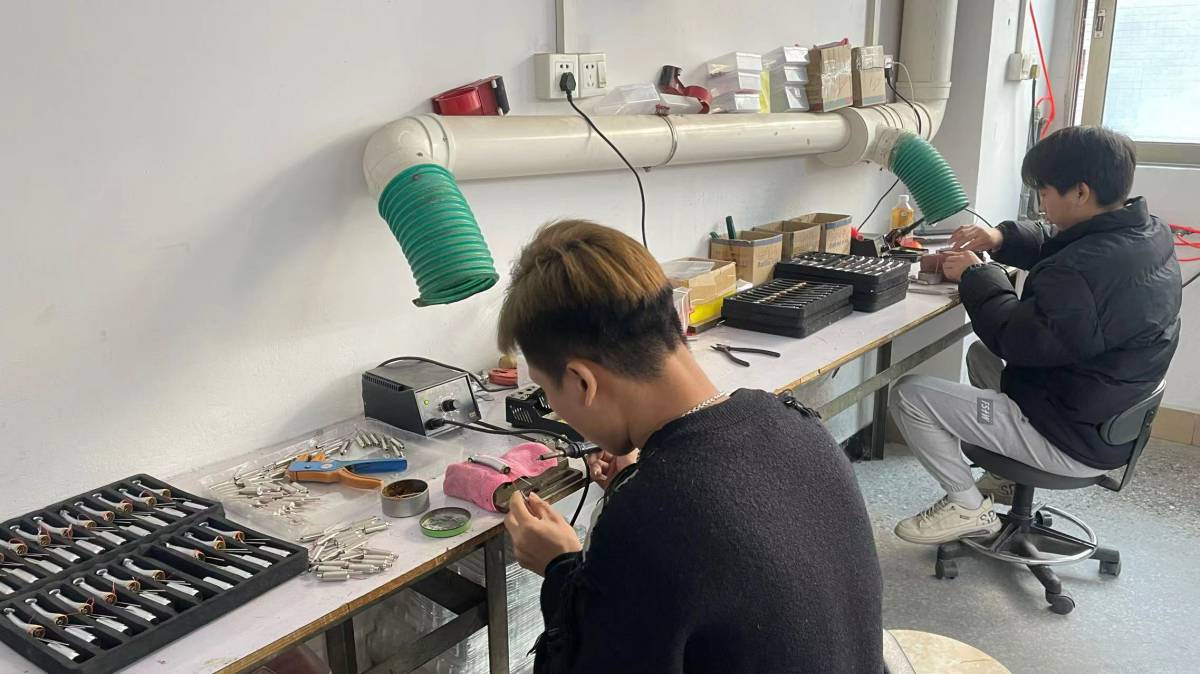
Leveraging advanced manufacturing intelligence and automation to deliver clinical-grade medical biomaterials at global scale.
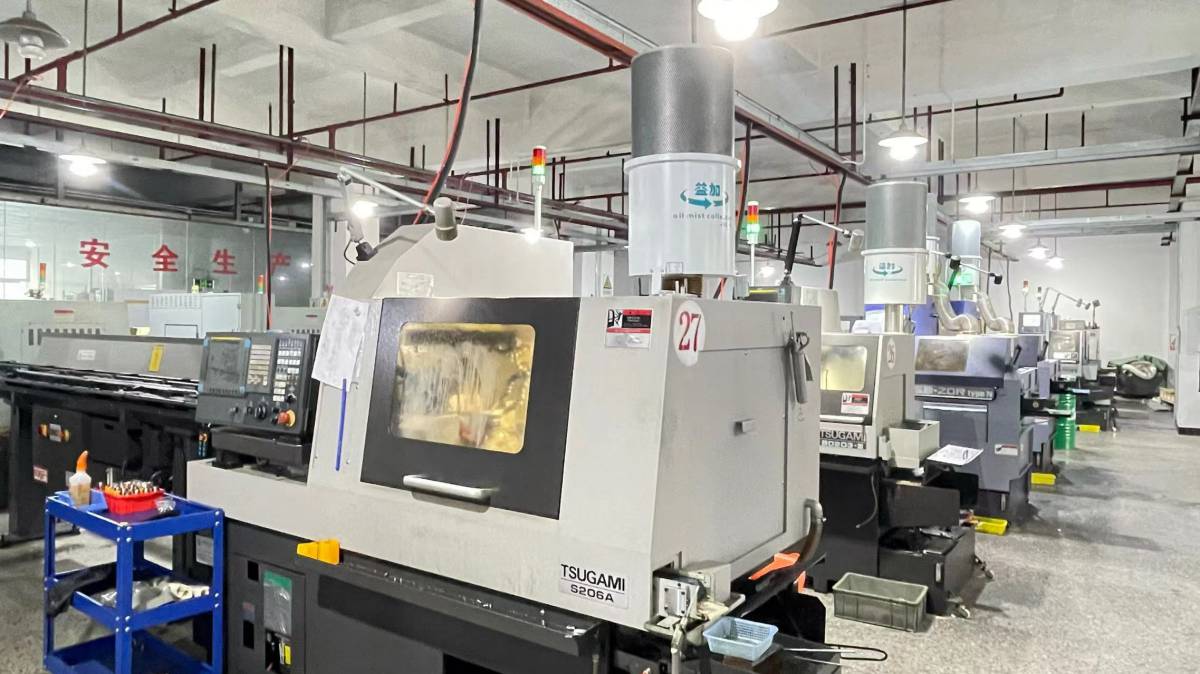
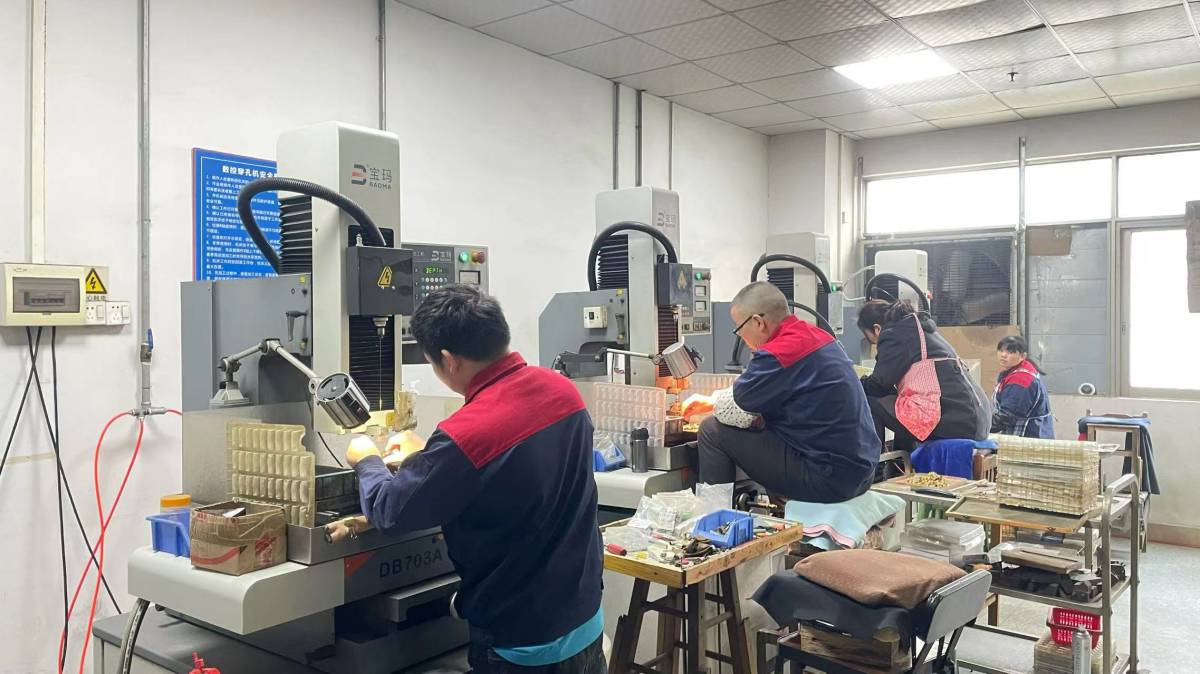
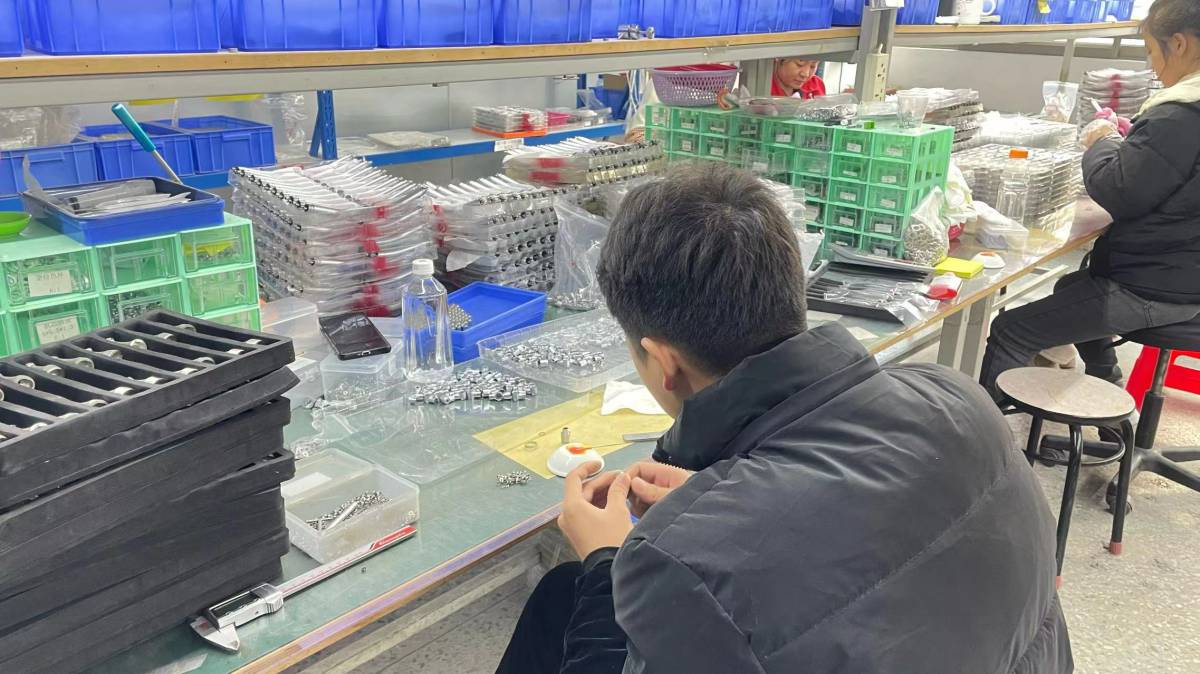
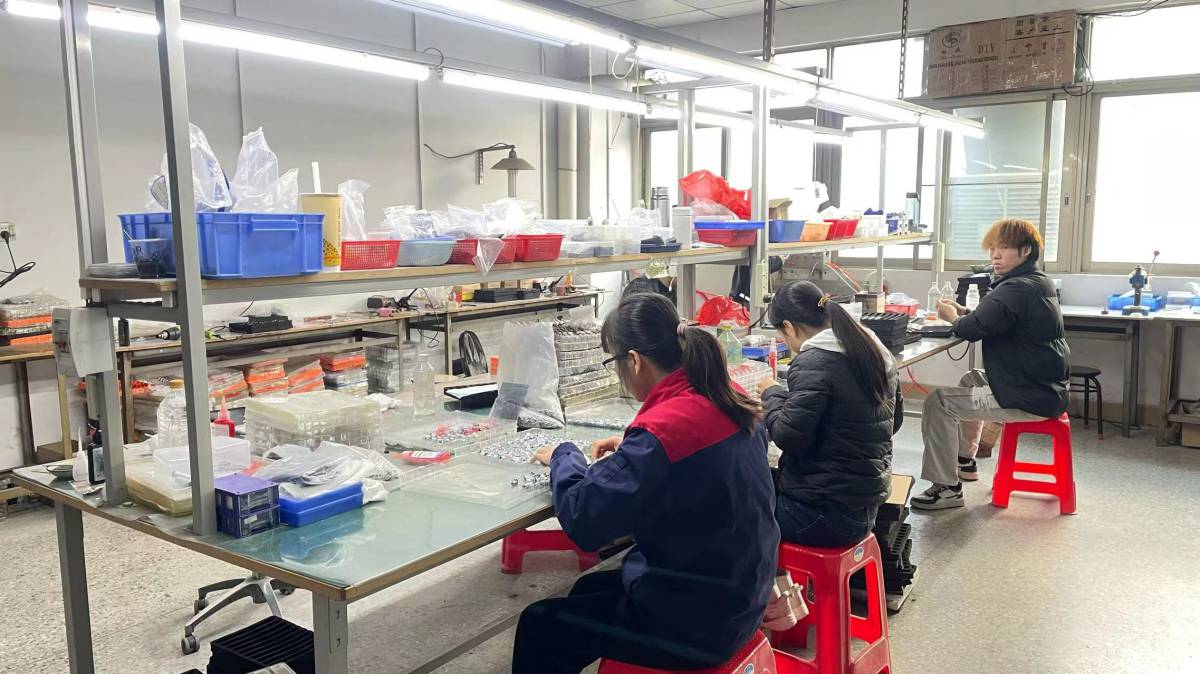
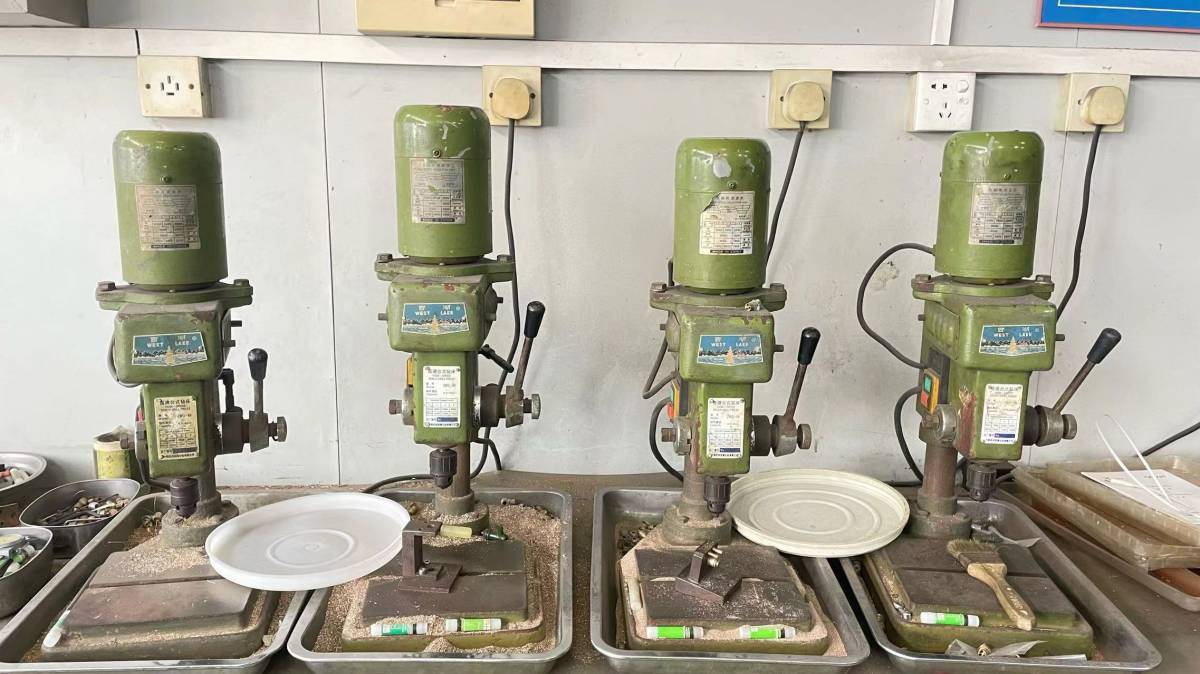
Our machining facility utilizes Japanese and German 5-axis computer numerical control (CNC) equipment, ensuring consistent structural tolerances below 5 microns for clinical components and hardware.
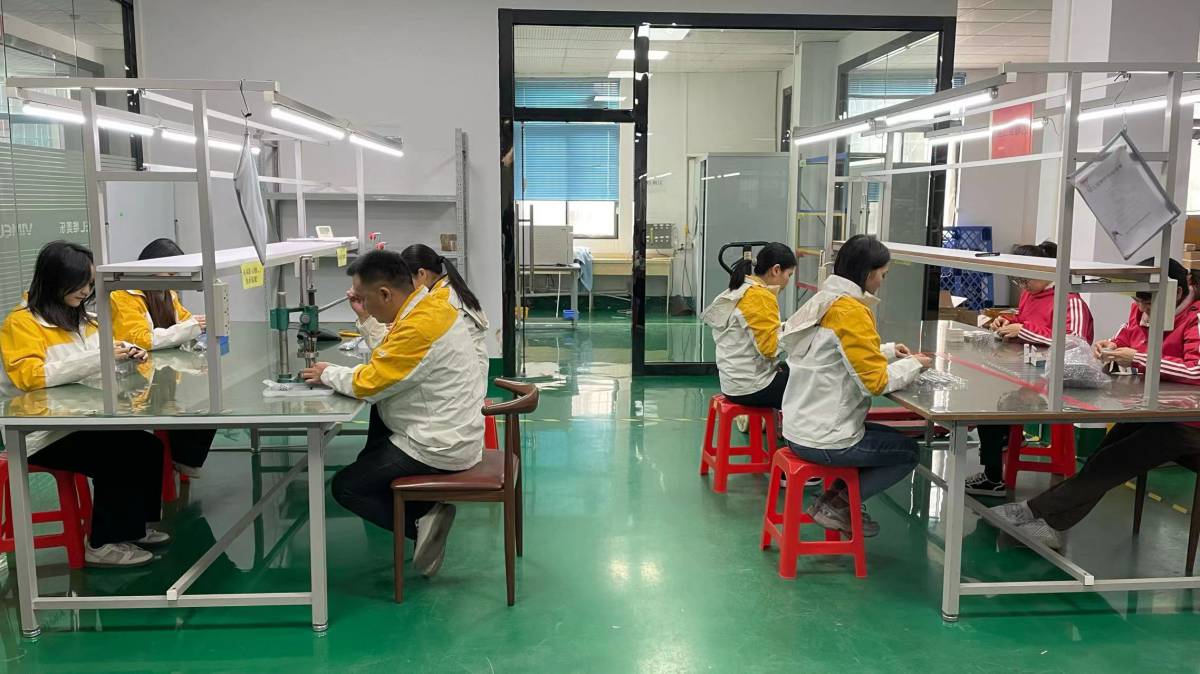
Biomaterial processing and sterile barrier packaging are executed inside cleanrooms certified to ISO 14644 levels. This controls particulate and microbial levels to prevent pyrogenic reactions post-implantation.
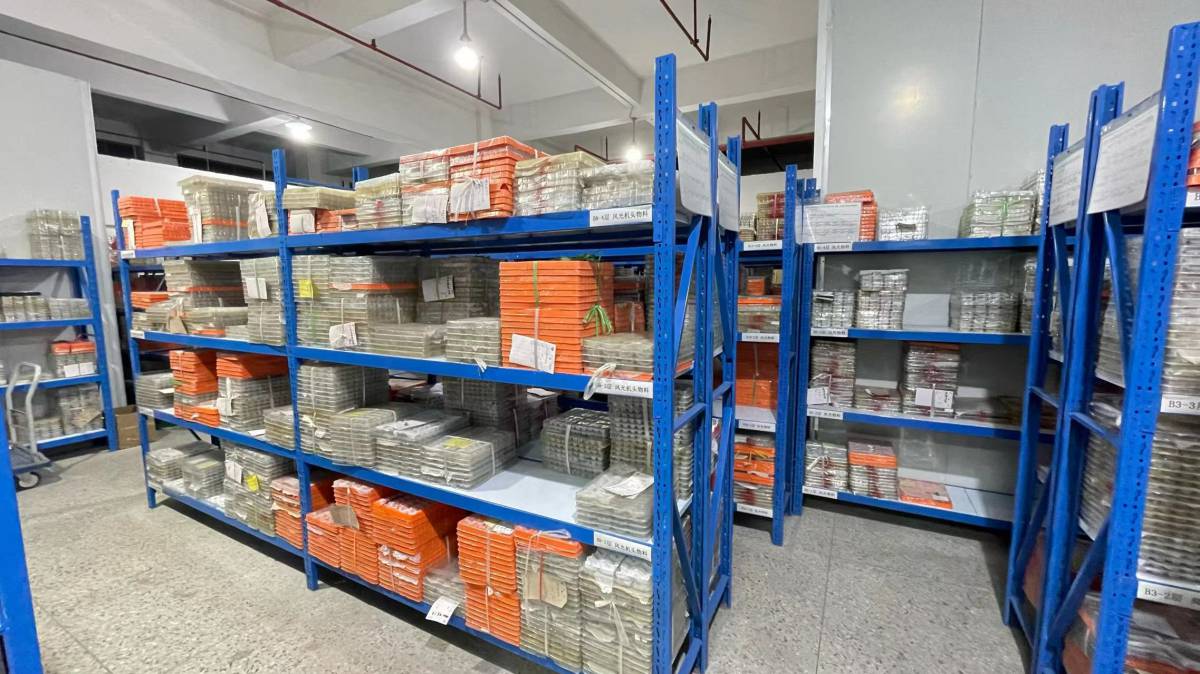
From chemical sourcing and purification of medical-grade collagen to final EO sterilization, we maintain complete control. This minimizes delays and shields global partners from market fluctuations.
Streamlined international transactions, regulatory compliance pathways, and customized local distribution assistance.
Navigating the complex landscape of international medical device regulations requires rigorous compliance documentation. Our tissue regeneration products are manufactured under an ISO 13485 certified quality management system and hold CE certificates. We provide complete technical documentation dossiers, including biocompatibility reports (ISO 10993), clinical evaluation reports, and stability data, supporting quick product registrations for local distributors.
We understand that different regions and surgical teams have specific procedural preferences. We offer comprehensive private-labeling, custom size configurations for membranes, and customized syringe or vial designs for bone graft particles. Our engineering team assists from initial conceptualization to final clinical packaging, maintaining strict compliance with regulatory labeling standards.
The guiding principles behind our continuous research, manufacturing quality, and global partnerships.
Deeply engaged in the dental medical field, we drive the industry's development with cutting-edge technology and continuous innovation, providing safe and efficient solutions for clinical practice.
From R&D to production, we strictly control every process to ensure zero defects in our products and become a trusted partner for dentists.
Centering on patients' health and doctors' needs, we provide personalized services and technical support to help enhance the diagnosis and treatment experience and efficiency.
Adhere to transparent cooperation, fulfill commitments to customers, employees and society, and win long-term trust through compliant operation.
Answers to critical regulatory, chemical, and clinical usage questions for procurement officers and implantologists.
Explore additional dental operatory systems, intraoral diagnostics, and laboratory tools designed to support modern surgical workflows.
 TRV Medical